
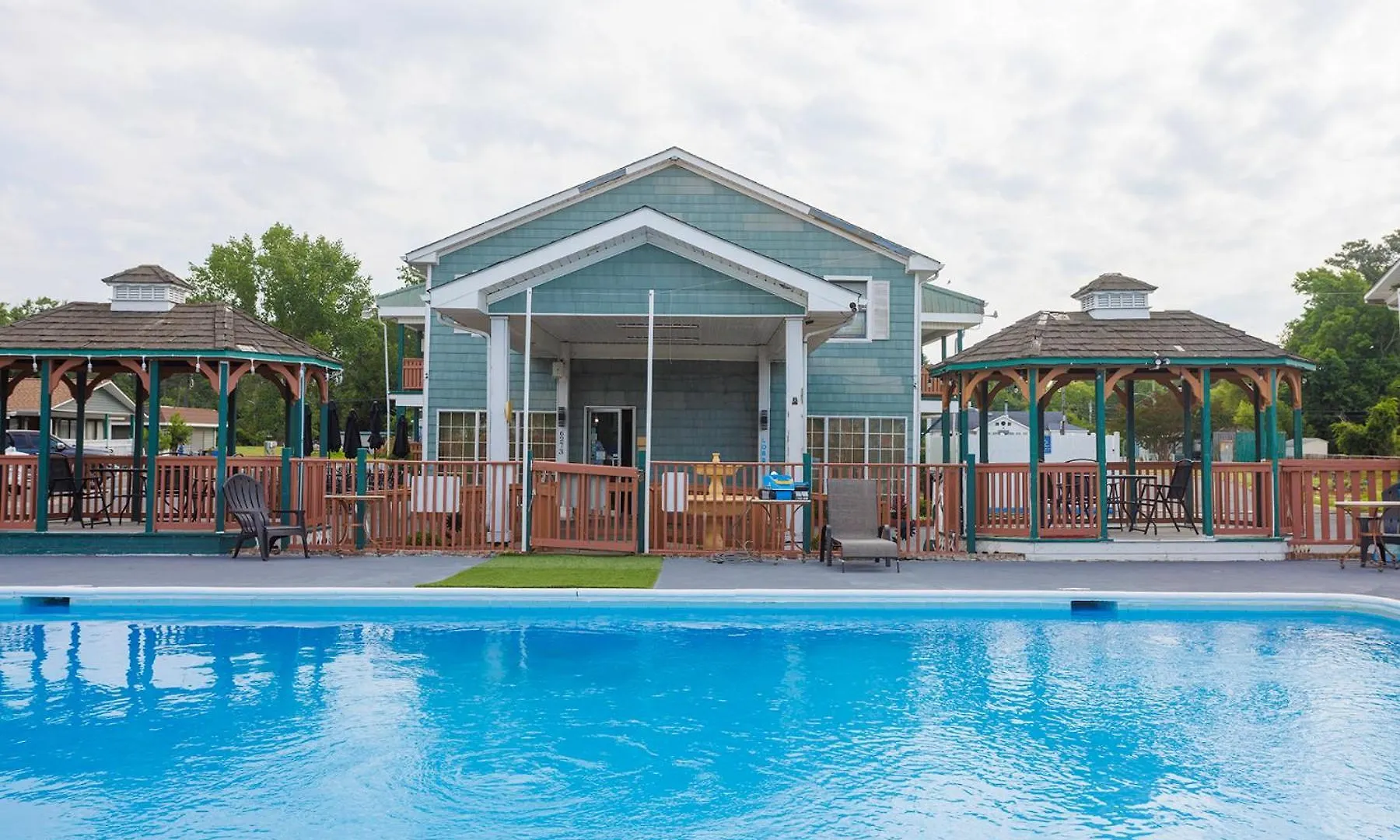
Chincoteague Island is one of Virginia's most underrated coastal escapes - a small barrier island where wild ponies roam Assateague, kayakers paddle through salt marshes, and the pace is deliberately slow. Its 2-star hotels sit at the practical core of that experience: close to the refuge, priced for multi-night stays, and built around the needs of outdoor-focused visitors rather than resort tourists.
What It's Like Staying in Chincoteague
Chincoteague is a compact island town where nearly everything - from the seafood docks to the refuge entrance - is reachable within a short drive or bike ride. The island measures roughly 8 miles long, which means your hotel's exact location matters less than in larger cities, but proximity to Maddox Boulevard is still the clearest advantage for access to both dining and the Chincoteague National Wildlife Refuge gate. Traffic peaks sharply during the annual Pony Swim in late July, when visitor numbers spike and parking near the refuge becomes genuinely difficult - outside of that window, the rhythm is relaxed and crowd-free.
Staying here suits wildlife watchers, birders, beach-goers, and families who want an unplugged coastal trip without resort pricing. Those seeking nightlife, walkable urban dining scenes, or upscale amenities will find the island's offerings limited.
Pros:
- Direct access to Chincoteague National Wildlife Refuge and Assateague Island beaches without long drives
- Quiet, low-density island atmosphere with minimal chain-hotel crowds
- Seafood-forward local dining along Main Street within easy reach of most hotels
Cons:
- No public transit beyond the seasonal Island Trolley - a car is essential for most visitors
- Restaurant and shop options thin out significantly outside peak season (May-October)
- Accommodation demand outpaces supply during the Pony Swim week, making last-minute booking nearly impossible
Why Choose 2-Star Hotels in Chincoteague
In Chincoteague, 2-star hotels aren't a compromise - they're the dominant accommodation format on the island, and most are independently operated properties that have been serving wildlife refuge visitors for decades. Rates at these properties typically run around 40% lower than comparable beachside motels on the Outer Banks, making multi-night stays financially sensible. Rooms tend to be straightforward but functional, with microwaves, refrigerators, and balcony access being standard features that support self-catered stays - useful given that dining options on the island are concentrated and close early off-season.
The main trade-off is that amenities like spas, concierge services, or in-room dining simply don't exist at this tier here. What you do get is outdoor pool access, free parking, and continental breakfast at most properties - all genuinely useful for families and active travelers spending most of their time outdoors rather than in the room.
Pros:
- Most properties include free parking, outdoor pools, and breakfast - practical for active day-trip schedules
- Room refrigerators and microwaves are nearly universal, enabling flexible meal planning
- Smaller, independently operated properties often provide more personalized local knowledge than chain hotels
Cons:
- Room sizes are modest - expect standard motel layouts rather than resort-style suites
- Limited on-site dining beyond continental breakfast; no room service at this category
- Noise from outdoor pool areas can affect rooms on lower floors during summer weekends
Practical Booking & Area Strategy
Maddox Boulevard is the spine of the island - hotels positioned along or just off it give you the fastest access to the Chincoteague National Wildlife Refuge entrance, the primary draw for most visitors. Main Street runs parallel and connects to the waterfront, the Oyster and Maritime Museum, and the bulk of the island's seafood restaurants. For wildlife watching, book closer to the refuge end of Maddox Boulevard; for a more social atmosphere with easier access to evening dining, a position near Downtown Chincoteague is more practical.
Peak season runs from Memorial Day through Labor Day, with the Pony Swim (typically the last Wednesday and Thursday of July) representing the single most congested week of the year - book at least 8 weeks ahead for that period. Shoulder season visits in May or September offer the best balance of open facilities, lower rates, and manageable crowds. The seasonal Island Trolley connects hotels along Maddox Boulevard to the refuge and beach, reducing the need to drive and park during busy summer days. Top attractions within short reach include Assateague Island National Seashore, the NASA Wallops Flight Facility Visitor Center, the Assateague Lighthouse, and Chincoteague Bay for kayaking and crabbing.
Best Value Stays
These properties offer the strongest combination of location, included amenities, and access to Chincoteague's main attractions at the most accessible price points on the island.
-
1. Atlantic Shores Inn And Suites
Show on map


 Check-infrom 16:00 until 18:00Check-outuntil 11:00
Just a few rooms left at the best rate!
fromUS$ 87
-
2. Anchor Inn
Show on map


 Check-infrom 16:00 until 23:59Check-outuntil 11:00
Just a few rooms left at the best rate!
fromUS$ 203
Best Premium Stays
These two properties push slightly above the baseline 2-star experience with expanded amenities - including indoor pools, tennis courts, hot tubs, and stronger proximity to the refuge - making them the top picks for visitors who want more on-site comfort without leaving the budget tier.
-
3. Waterside Inn
Show on map


 Check-infrom 15:00 until 22:00Check-outfrom 06:00 until 11:00
Hurry – almost gone at this price!
fromUS$ 72
-
4. Island Resort
Show on map


 Check-infrom 15:00 until 23:59Check-outuntil 11:00
Rooms filling fast – secure the best rate!
fromUS$ 205
Smart Travel & Timing Advice
Chincoteague's tourism calendar is tightly compressed. June through August accounts for the vast majority of annual visitors, with July being the single most pressured month due to the Pony Swim - if you're not specifically attending that event, avoiding the last week of July will save you meaningfully on rates and frustration. May and September are the most strategically sound months to visit: the refuge and beach are fully operational, seafood shacks and bike rentals are open, and prices drop noticeably compared to peak summer. October brings quieter conditions and excellent birding on Assateague, but confirm hotel operating hours before booking as some smaller properties reduce services after Labor Day.
A stay of 3 nights is the practical minimum to cover the main draws - the refuge, Assateague beach, a lighthouse visit, and at least one NASA Wallops tour - without feeling rushed. Book at least 6 weeks ahead for any summer weekend, and closer to 10 weeks for the Pony Swim period. Last-minute availability in peak season is rare and almost always limited to the least desirable room types.


