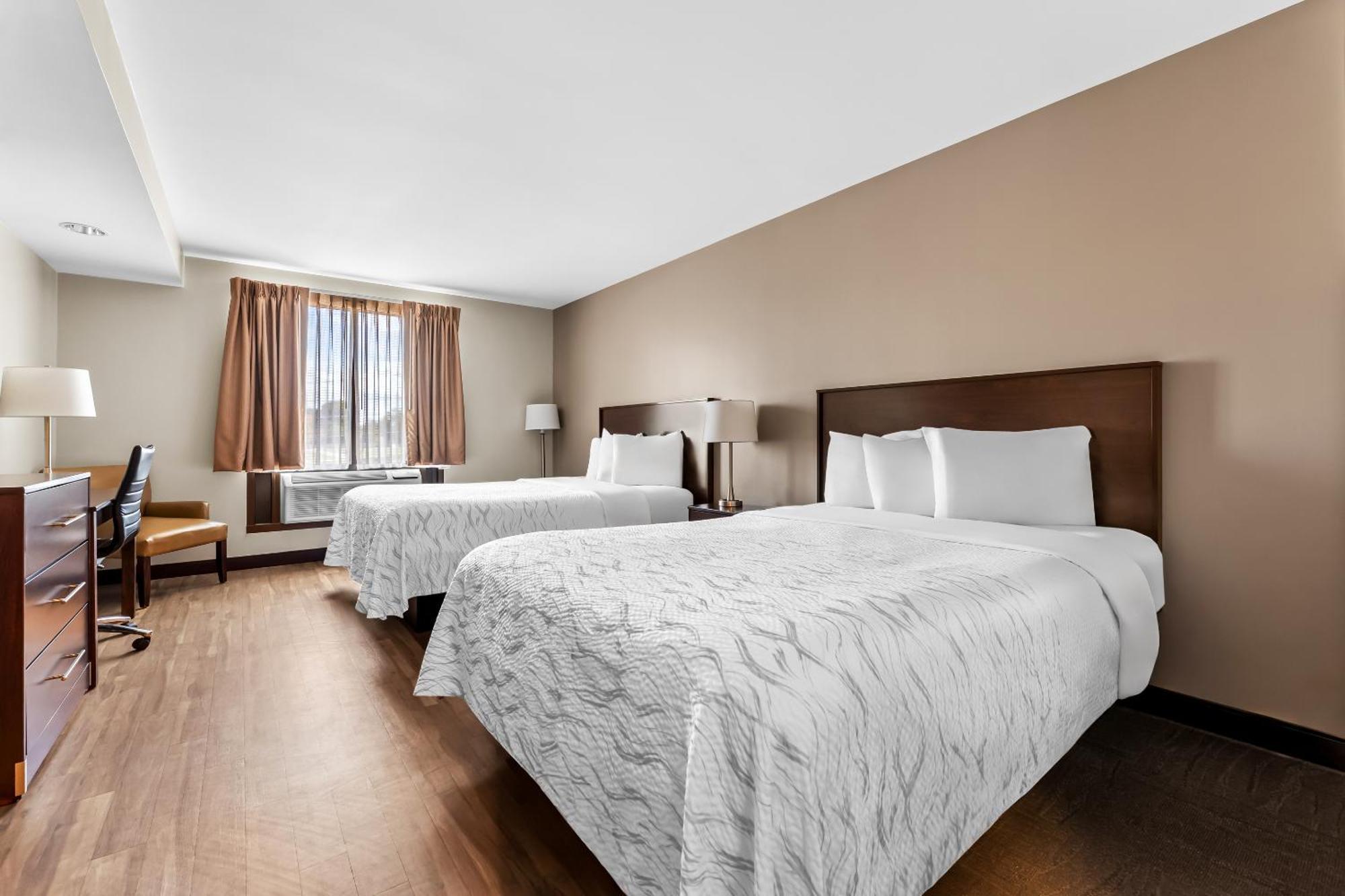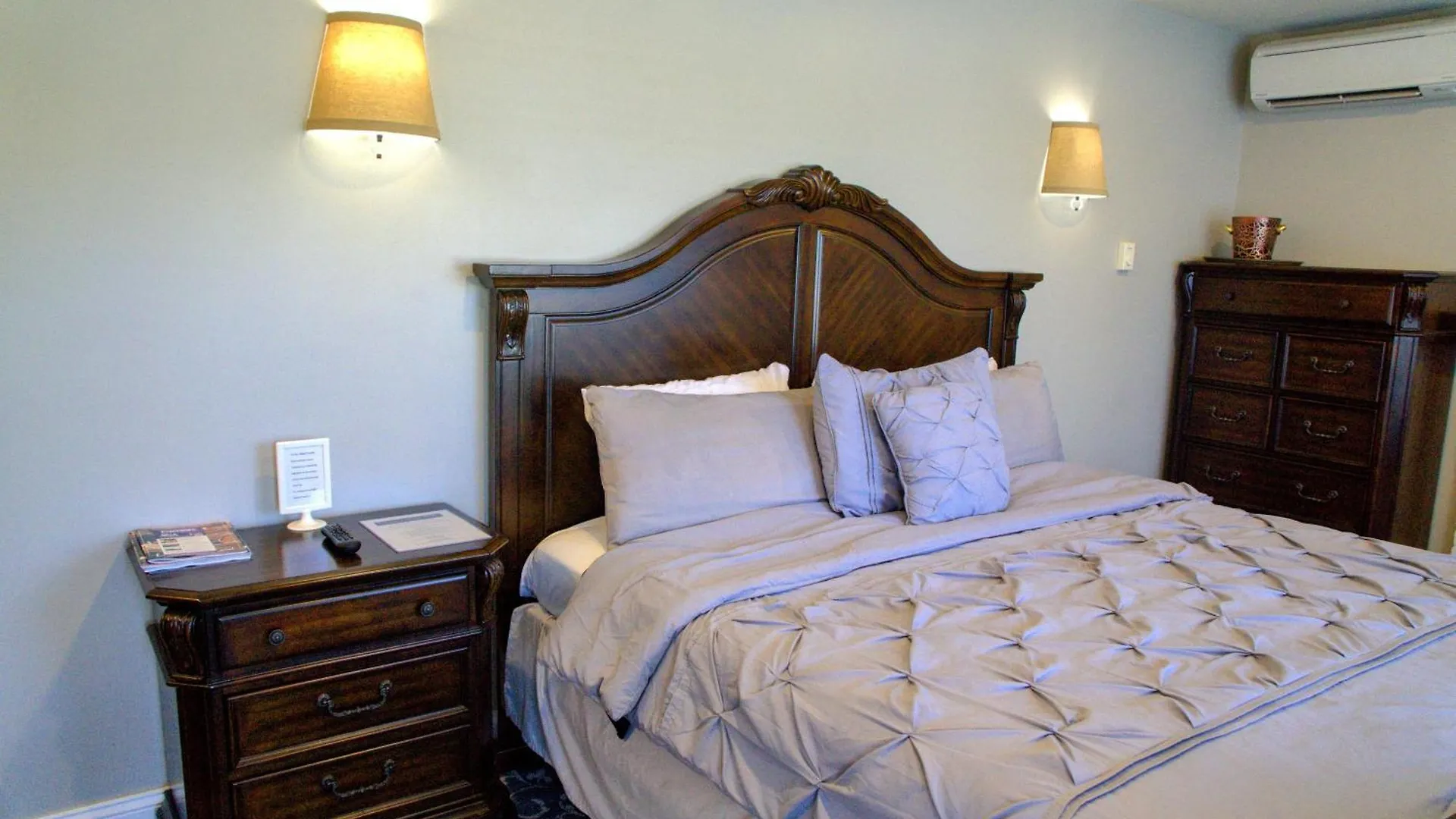
The United States has one of the most diverse B&B landscapes in the world, spanning colonial inns in Pennsylvania, vineyard retreats in Washington State, Gulf Coast Victorians in Florida, and remote desert hideaways in Arizona. Unlike chain hotels, bed and breakfast properties in the U.S. are deeply tied to their local communities - most are owner-operated, historically significant, or set on working farms and estates. This guide covers 15 carefully selected B&Bs across multiple states, with practical location context, booking strategy, and property-level detail to help you choose the right stay.
What It's Like Staying at a B&B in the United States
Staying at a bed and breakfast in the United States is a fundamentally different experience from a hotel stay - you're often inside a restored historic home, a working farm, or a rural estate where the owner lives on-site. The U.S. has over 17,000 registered B&Bs, ranging from Civil War-era mansions in Mississippi to modern adults-only retreats in Arizona's red rock country. Crowd patterns vary significantly: coastal and wine-country B&Bs fill weeks in advance during summer and fall foliage season, while rural Midwest properties often have availability year-round. Travelers who prioritize character, local knowledge from hosts, and included breakfast gain the most from this format - those needing 24-hour anonymity, room service on demand, or hotel-scale amenities will find B&Bs limiting. Breakfast alone can save around $25 per person daily, a real cost offset on longer itineraries across expensive regions like the Mid-Atlantic or Pacific Northwest.
Pros:
- Included breakfast - often made to order or buffet with local ingredients - adds genuine daily value that chain hotels don't match
- Historic properties in states like Virginia, Pennsylvania, and Mississippi offer architectural and cultural context you cannot replicate in a modern hotel
- Owner-operated B&Bs provide hyper-local itinerary advice, often directing guests to unmarked trails, local restaurants, and off-season events
Cons:
- Check-in windows are often narrow (typically 3-7 PM) and late arrivals require advance coordination, which adds logistical pressure
- Most U.S. B&Bs have between 4 and 12 rooms, meaning popular properties book out weeks or months ahead during peak travel seasons
- Common areas are genuinely shared - lounges, gardens, and breakfast tables mean minimal privacy for guests who prefer social distance
Why Choose a Bed & Breakfast Over Other Hotels in the United States
In the U.S. hotel market, B&Bs occupy a distinct space between generic roadside motels and full-service luxury hotels - they typically price lower than 4-star hotels in the same area while delivering a more curated and personal experience. In rural or small-town destinations like Cedar City, Utah, Millersburg, Ohio, or Stanardsville, Virginia, a B&B is often the only accommodation with real character; the alternative is a highway chain with no sense of place. B&B nightly rates in the U.S. commonly run around 20% below comparable boutique hotel rates in the same zip code, while including breakfast that boutique hotels charge separately. Room sizes at American B&Bs vary widely - converted Victorian mansions often have generous suites with private bathrooms, while smaller farmhouse-style properties may have compact rooms with shared hallways. Noise trade-offs are real in social B&Bs with communal areas, but many properties offer soundproofed units and private entrances that replicate hotel-level separation. Five-star rated B&Bs like Cameron Estate Inn in Pennsylvania demonstrate that the category reaches genuine luxury standards without the corporate hotel pricing model.
Pros:
- Breakfast is included in the room rate at nearly every U.S. B&B, ranging from full American buffets to à la carte hot dishes with local produce
- Many properties offer free private parking - a significant cost saving in cities and towns where hotel parking fees can exceed $30 per night
- B&Bs in historic homes and rural estates give access to gardens, terraces, and outdoor areas that standard hotels in the same region simply don't have
Cons:
- Cancellation policies at owner-operated B&Bs are often stricter than OTA hotel norms - deposits and non-refundable windows are common
- Amenities like on-site gyms, conference rooms, and 24-hour front desks are rarely available in the B&B format
- Some rural B&Bs are far from restaurants and shops, making a car essential - a factor that urban travelers frequently underestimate
Practical Booking & Area Strategy for U.S. B&Bs
The location of your B&B determines nearly everything about your trip - transport access, day-trip radius, and evening dining options all depend on which state and town you choose. In the Mid-Atlantic corridor, Pennsylvania properties like Cameron Estate Inn (Mount Joy) and The Inn at Whitewing Farm (West Chester) sit within a manageable drive of Philadelphia, Lancaster County, and the Brandywine Valley, making them strong base camps for multi-day regional exploration. Virginia B&Bs near Charlottesville, such as The Lafayette Inn in Stanardsville, place guests within about 35 km of the University of Virginia, Monticello, and James Madison's Montpelier - a historically dense corridor worth at least three nights. In the West, Cottonwood, Arizona and Prosser, Washington represent wine and outdoor-recreation towns where B&Bs serve as quieter alternatives to busier tourist hubs like Sedona or Yakima. Book B&Bs in Nevada's Cathedral Gorge corridor and rural Georgia at least 4 weeks ahead during spring and fall when outdoor recreation peaks. For first-time B&B travelers in the U.S., the Mid-Atlantic states offer the highest density of well-reviewed properties within a short drive of major airports, making logistics straightforward without sacrificing character.
B&Bs in the Mid-Atlantic & Southeast United States
Pennsylvania, Virginia, Georgia, Mississippi, and North Carolina host some of the most historically grounded B&Bs in the country, with properties set in antebellum estates, Civil War-era inns, and 19th-century farmhouses - most within range of major cultural landmarks and airports.
-
1. Cameron Estate Inn
Show on map


 Check-infrom 15:00 until 20:30Check-outuntil 10:00
Best price guarantee
fromUS$ 176
-
2. The Inn At Whitewing Farm
Show on map


 Check-infrom 16:00 until 18:00Check-outuntil 11:00
Best price guarantee
fromUS$ 421
-
3. The Parador Farmhand 1 Downtown
Show on map


 Check-infrom 16:00 until 23:59Check-outuntil 11:00
Hurry – almost gone at this price!
fromUS$ 171
-
4. The Lafayette Inn & Restaurant
Show on map


 Check-infrom 16:00 until 19:00Check-outfrom 08:00 until 11:00
Best price guarantee
fromUS$ 202
-
5. The Gillen House Bed And Breakfast
Show on map


 Check-infrom 15:00 until 21:00Check-outfrom 11:00 until 12:00
Best price guarantee
fromUS$ 260
-
6. Weymouth Hall
Show on map


 Check-infrom 14:00 until 21:00Check-outfrom 10:00 until 11:00
Hurry – almost gone at this price!
fromUS$ 154
-
7. Elmwood 1820 Bed & Breakfast Inn
Show on map


 Check-infrom 15:00 until 22:00Check-outuntil 10:00
Best price guarantee
fromUS$ 280
-
8. Enfield Manor Bed&Breakfast And Vacation Rental
Show on map


 Check-infrom 16:00 until 18:00Check-outfrom 08:00 until 10:00
Best price guarantee
fromUS$ 209
-
9. Fox & Bear Lodge
Show on map


 Check-infrom 15:00 until 22:00Check-outfrom 08:00 until 11:00
Just a few rooms left at the best rate!
fromUS$ 300
B&Bs in the West, Southwest & Pacific Northwest United States
West of the Mississippi, B&Bs trade colonial architecture for desert escapes, vineyard settings, and high-altitude retreats - with properties in Utah, Nevada, Arizona, and Washington State offering distinctly different landscapes within driving distance of national parks and wine regions.
-
10. Bard'S Inn
Show on map


 Check-infrom 15:00 until 23:59Check-outuntil 11:00
Just a few rooms left at the best rate!
fromUS$ 154
-
11. Pine Tree Inn
Show on map


 Check-infrom 14:00 until 22:00Check-outuntil 11:00
Just a few rooms left at the best rate!
fromUS$ 98
-
12. Origins Bed And Breakfast
Show on map


 Check-infrom 15:00 until 18:00Check-outfrom 09:00 until 11:00
Best price guarantee
fromUS$ 286
-
13. Cozy Rose Inn
Show on map


 Check-infrom 15:00 until 18:00Check-outfrom 09:00 until 11:00
Rooms filling fast – secure the best rate!
fromUS$ 237
-
14. Hillside Villa Ohio
Show on map


 Check-infrom 16:00 until 23:30Check-outuntil 11:00
Rooms filling fast – secure the best rate!
fromUS$ 114
-
15. Victoria 1883
Show on map


 Check-infrom 16:00 until 18:00Check-outfrom 10:00 until 11:00
Hurry – almost gone at this price!
fromUS$ 319
Smart Travel & Timing Advice for U.S. B&Bs
Timing your B&B stay in the United States directly affects both availability and rate. Fall - specifically September through mid-November - is the peak season for B&Bs in New England, the Mid-Atlantic, and the Pacific Northwest, driven by foliage tourism and wine harvest events. In these windows, properties in Pennsylvania, Virginia, and Washington State regularly sell out weeks in advance, and last-minute booking is rarely viable. The Southwest operates on a different calendar: Arizona B&Bs like Origins in Cottonwood see peak demand in spring (March-May) when desert temperatures are moderate before summer heat pushes visitors away. Florida coastal properties like Victoria 1883 in New Smyrna Beach follow a winter peak, with January through March being the highest demand period as northern travelers head south. Booking at least 6 weeks ahead is the reliable rule for any U.S. B&B during its regional peak season. For mid-week stays from Tuesday to Thursday, rates at owner-operated properties are often around 15% lower than weekend rates - a pattern that applies consistently across the B&B segment nationwide. Minimum stay requirements of two nights are common on weekends at rural and coastal properties, so single-night availability is more reliably found at town-center B&Bs like Bard's Inn in Cedar City or Elmwood 1820 in North Carolina. A stay of three nights is typically the threshold at which a B&B stay delivers full value - enough time to use the breakfast, explore the local area with host guidance, and amortize any long drive to the property.