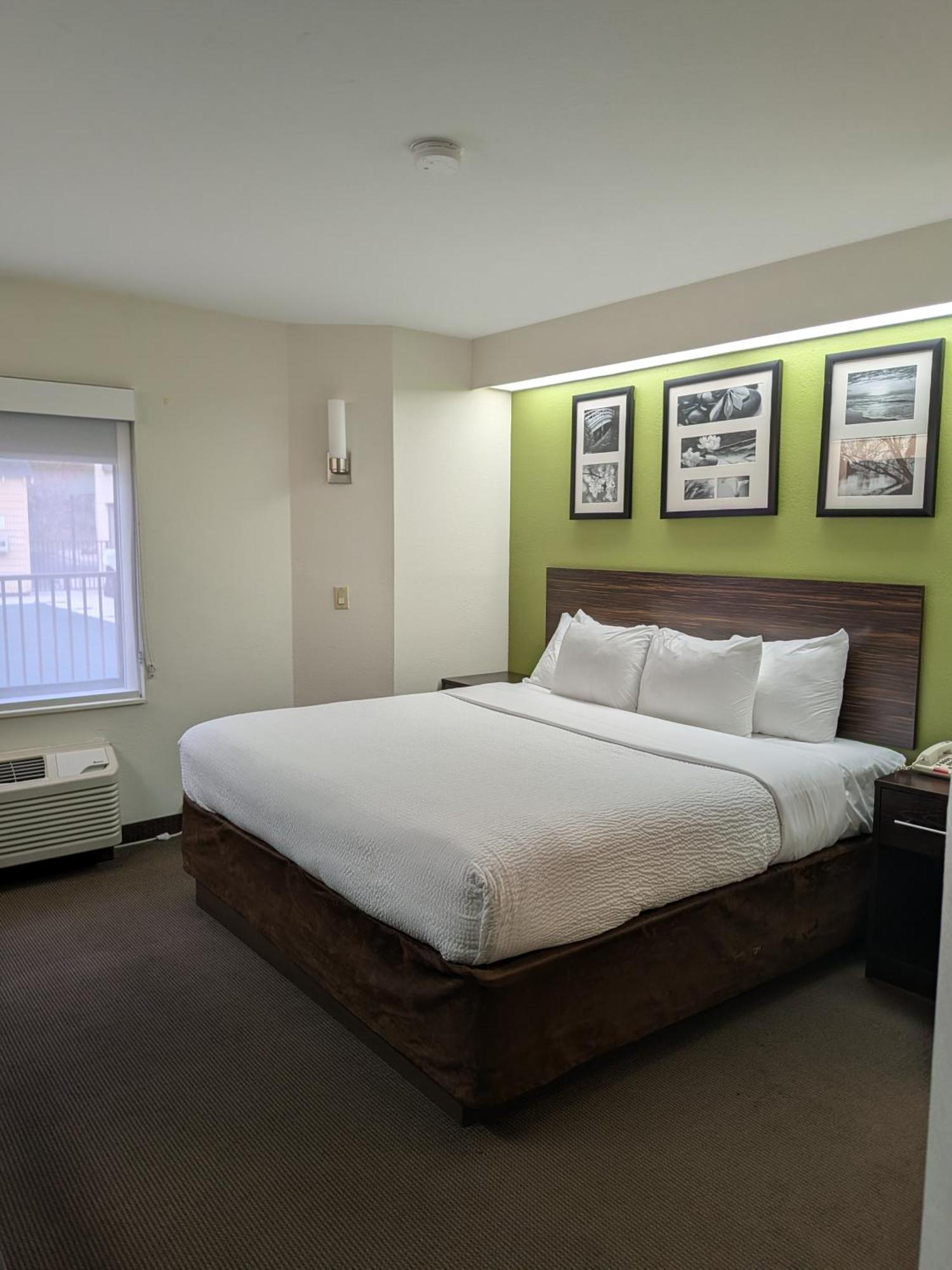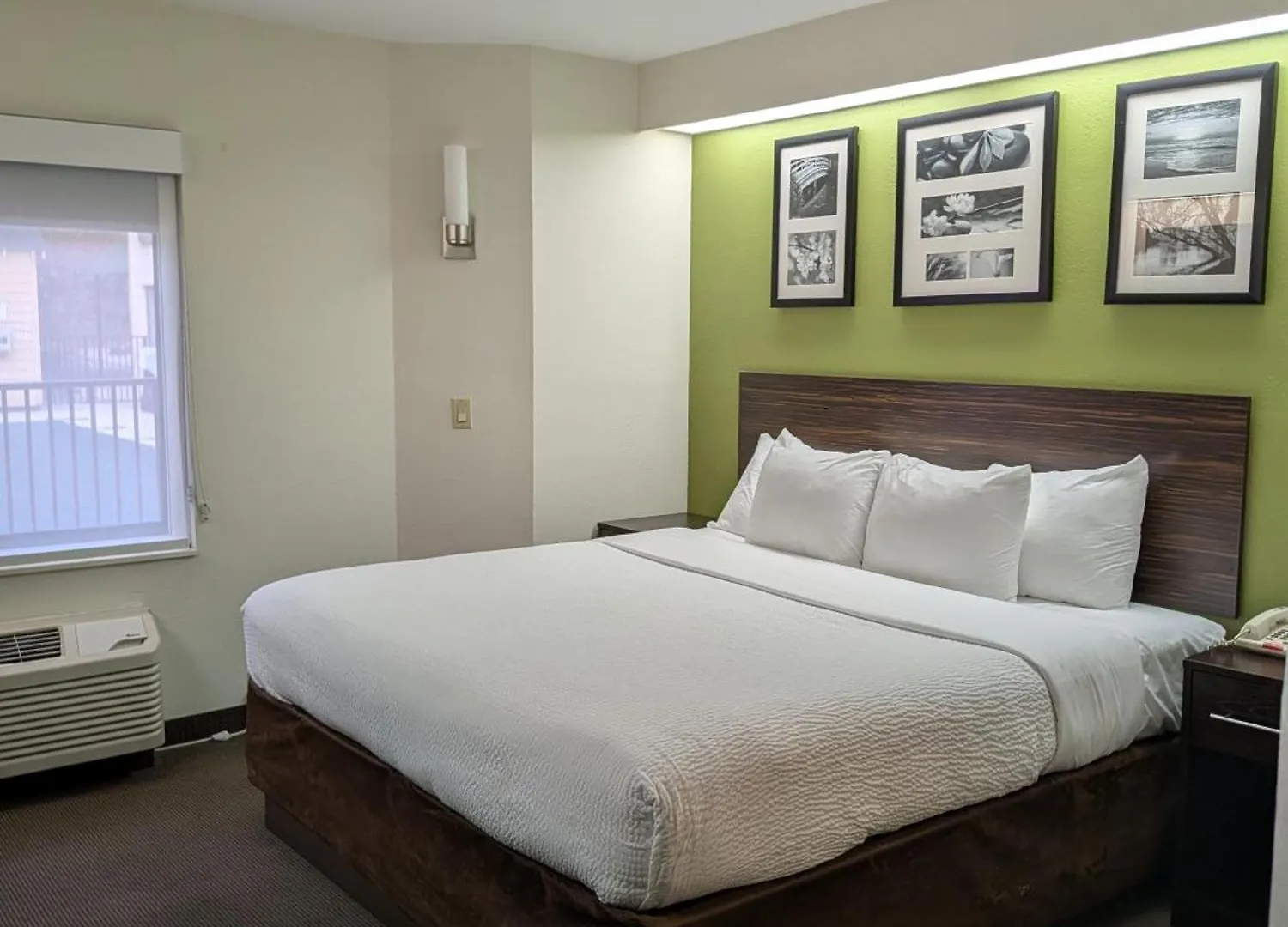
The Appalachian Mountains stretch over 2,400 kilometers across 14 U.S. states, covering some of the country's most visited natural corridors - from the Great Smoky Mountains in North Carolina to the Blue Ridge ranges in Virginia and the ridges of Pennsylvania and Kentucky. Sleep Inn properties are strategically positioned along this corridor, offering consistent, no-frills lodging close to national parks, interstate access points, and outdoor recreation hubs. This guide breaks down all six options to help you pick the right base for your Appalachian trip.
What It's Like Staying in the Appalachian Mountains
Staying in the Appalachian Mountains means trading urban convenience for access to trailheads, scenic byways, and national park entrances - often within a 10 to 20-minute drive from your hotel. Car travel is essentially mandatory across this region; public transit is virtually nonexistent between towns, and most attractions are only reachable by personal vehicle. Crowd patterns shift sharply by season: fall foliage weeks in October and summer weekends near Smoky Mountains National Park push occupancy to its peak, while winter and early spring see significantly quieter conditions and lower rates.
This region suits road-trippers, hikers, and nature-focused travelers well. City-first travelers or those relying on walkability will find the pace and infrastructure a poor fit.
Pros:
- Immediate access to iconic outdoor destinations including Great Smoky Mountains National Park, Blue Ridge Parkway, and Pine Mountain State Resort Park
- Hotels sit directly off major interstates (I-77, I-81, I-40), making multi-stop road trips highly efficient
- Accommodation costs run well below comparable national park gateway towns in the West
Cons:
- No meaningful public transportation between towns or to trailheads - a car is non-negotiable
- Dining and shopping options outside hotel vicinity are sparse in smaller towns like Middlesboro and Bryson City
- Peak fall and summer weekends see limited availability and prices rising around 40% above off-season rates
Why Choose a Sleep Inn in the Appalachian Mountains
Sleep Inn properties in the Appalachian region deliver a consistent mid-economy experience calibrated to road travelers and outdoor visitors rather than leisure resort guests. Rates typically land between $80 and $120 per night depending on season and location, making them among the most affordable branded options along the mountain corridor. Free parking, free WiFi, and complimentary breakfast are standard across this portfolio - features that matter when you're spending full days outside and simply need a functional, reliable overnight base. Room sizes are standard rather than generous, and properties in smaller towns like Middlesboro and Geistown offer fewer dining options on-site, though proximity to interstate exits compensates with nearby chain restaurants.
Compared to independent mountain lodges or cabin rentals, Sleep Inn properties trade atmosphere for predictability - a meaningful advantage for travelers with early-morning hike departures or multi-night itineraries crossing multiple states.
Pros:
- Breakfast included at most properties saves time and cost on activity-heavy days
- Direct interstate positioning makes multi-destination Appalachian road trips logistically straightforward
- Disability-accessible rooms and consistent brand standards reduce uncertainty for travelers with specific needs
Cons:
- Rooms are functional but compact - not suited for extended stays requiring workspace or family unpacking space
- On-site dining is limited or absent at most properties; evening meals require driving
- Properties lack the character of local inns or mountain lodges that define the regional atmosphere
Practical Booking & Area Strategy
Positioning matters significantly when planning an Appalachian stay. Bryson City, NC is the strongest gateway for Great Smoky Mountains National Park access - the Sleep Inn there sits just 10 minutes from the park entrance, which is a decisive advantage during summer when parking inside the park fills before 9 a.m. Wytheville, VA functions as an ideal midpoint stop for travelers driving the I-77/I-81 corridor between the Carolinas and the mid-Atlantic, while Johnson City, TN places you within range of both the Cherokee National Forest and the Appalachian Trail's southern section. For Pennsylvania-focused trips centered on Cambria County's rivers and trails, Johnstown provides the most practical base. Book at least 6 weeks ahead for any October stay - fall foliage demand along the Blue Ridge and Smokies is intense and predictable, and last-minute availability disappears quickly at this price tier.
Key attractions within reach include the Great Smoky Mountains Railroad (Bryson City), Draper Valley Golf Club and two local wineries (Wytheville), Tipton-Haynes Historic Site (Johnson City), and Pine Mountain State Resort Park (Middlesboro). Dayton, TN sits close to the Tennessee River gorge and within 60 km of Chattanooga's outdoor and cultural scene.
Best Value Stays
These Sleep Inn properties deliver strong location-to-price positioning for travelers prioritizing national park access, interstate efficiency, or outdoor recreation without premium pricing.
-
1. Sleep Inn Bryson City - Cherokee Area
Show on map


Just a few rooms left at the best rate!
fromUS$ 80
-
2. Sleep Inn Wytheville I-77 And I-81
Show on map


Just a few rooms left at the best rate!
fromUS$ 64
-
3. Sleep Inn & Suites Johnson City
Show on map


Hurry – almost gone at this price!
fromUS$ 75
-
4. Sleep Inn & Suites Dayton South
Show on map


Hurry – almost gone at this price!
fromUS$ 95
Best Premium Options
These properties offer additional location-specific advantages - park proximity, Kentucky mountain access, or airport connectivity - that justify their positioning for targeted trip types.
-
5. Sleep Inn & Suites Middlesboro
Show on map


Rooms filling fast – secure the best rate!
fromUS$ 100
-
6. Sleep Inn Johnstown - Richland Town Center
Show on map


Rooms filling fast – secure the best rate!
fromUS$ 91
Smart Travel & Timing Advice
The Appalachian Mountains have two distinct demand peaks that directly affect Sleep Inn availability and rates. October is the highest-demand month across the entire corridor due to fall foliage - particularly in the Smokies (Bryson City, Dayton) and along the Blue Ridge (Wytheville) - and rates spike sharply while rooms sell out weeks in advance. Summer weekends in July and August are the second pressure point, driven by national park visitation near Bryson City and Johnson City. January through March is the quietest window, with rates dropping significantly and crowds thinning at most properties. For most Appalachian itineraries, 2 to 3 nights per base town is the practical minimum to cover key attractions without rushing - a single-night stop works only for pure transit stays on the interstate corridor. Book at least 8 weeks ahead for any October stay; for winter and early spring trips, last-minute availability is generally reliable and pricing is favorable. Wytheville and Johnson City offer the most year-round booking flexibility due to their dual function as business and leisure stops.